Key things to look over when booking a desert ride
Know what you are getting into
Booking a dune buggy in Dubai sounds simple enough: find a company, pick a time, and go. But the desert is a demanding environment, and not every operator runs the same kind of trip. Before you hand over any money, it pays to understand exactly what is included, what you will drive, and what the day actually involves. A little upfront checking can turn a so-so experience into something you remember for the right reasons.
Vehicle condition and maintenance
The first thing to verify is the state of the buggies themselves. A well-maintained machine handles the dunes properly and reduces the chance of a breakdown mid-ride. Ask whether the vehicles are serviced regularly and what checks are done before each trip. Reputable operators keep their fleet in good order because their business depends on it. If you see buggies with obvious wear, cracked frames, or faded safety gear, that is a red flag. A company that takes care of its equipment usually has a clean yard and a straightforward answer when you ask about maintenance.
You also want to know the age and model of the buggy. Older machines may lack modern safety features like proper harnesses or roll cages. Newer models tend to have better suspension, which matters when you hit a steep dune at speed. Do not be shy about asking for details. A confident operator will tell you what they run.
Safety briefings and gear
Every good trip includes a proper safety briefing before the engines start. The briefing should cover how to control the buggy on sand, what to do on steep slopes, and how to signal the guide if there is a problem. If the operator skips this or rushes through it, think twice. The desert can be unpredictable, and knowing the basics can prevent an accident.
Check what safety gear is provided. Helmets are standard, but not all helmets are equal. Look for a full-face helmet or at least one with a visor to keep dust out of your eyes. Goggles are a must if the helmet does not have a visor. Some operators also provide gloves and padded suits. The more protection you have, the more comfortable the ride will be. If the operator does not supply basic items, consider whether the price is worth the risk.

Instructor experience and guide ratio
The person leading the convoy makes a huge difference. An experienced guide knows the terrain, reads the weather, and keeps the group together at a safe pace. Ask how long the guides have been working in the Dubai desert and whether they hold any formal certification. Experienced guides also know how to handle a stuck buggy or a minor mechanical issue without ruining the trip.
The guide-to-buggy ratio matters too. A single guide with ten buggies cannot give each driver proper attention. Ideally, there should be one guide for every four or five vehicles. That way, someone is always close if a driver falls behind or needs help. If the operator cannot tell you the ratio, or seems vague about it, that is worth noting.
Insurance and liability
Accidents happen, even on well-run trips. Before you book, find out what insurance covers you. Some operators include basic third-party cover, but you may be liable for damage to the buggy if you crash. Read the terms carefully. If the operator asks you to sign a waiver without explaining what it means, ask for clarification. It is normal to accept some risk, but you should know what you are agreeing to.
If the operator offers optional damage waivers or insurance upgrades, weigh the cost against the likelihood of an incident. Sand driving is rougher on vehicles than tarmac, and a minor mistake can bend a tie rod or scratch the bodywork. Knowing your financial exposure upfront avoids surprises later.
Duration and itinerary
Not all dune buggy trips are the same length. Some last an hour, others half a day. The advertised time often includes the briefing, waiting for latecomers, and the return to base. Ask how much of that time is actual driving. A two-hour trip with only 45 minutes of driving is not the same value as one where you are behind the wheel for 90 minutes.
Also ask about the route. Does the trip stick to flat sand, or does it climb big dunes? Do you stop for photos? Is there a rest break in the middle? Knowing the itinerary helps you decide whether the trip matches what you want. If you want adrenaline, look for a route that includes steep climbs and fast descents. If you prefer a scenic ride, a slower pace with photo stops might suit you better.
What is included in the price
Prices vary widely between operators. The cheapest quote may not include fuel, insurance, pickup from your hotel, or refreshments. Some operators charge extra for a second rider, for a longer session, or for a buggy with more power. Get a full breakdown of what the price covers before you pay. Ask whether there are any hidden fees, such as a deposit that is only partially refundable if you cancel.

If the operator offers a package that includes transport, food, and photos, check whether those extras are actually worth the mark-up. Sometimes it is cheaper to arrange your own transport and bring your own water. On the other hand, a package that includes everything can save hassle, especially if you are visiting from a hotel and do not have your own car.
Reviews and reputation
Online reviews give you a glimpse into other people's experiences. Look for recent reviews that mention the condition of the buggies, the professionalism of the guides, and whether the trip matched the description. A few negative reviews are normal, but a pattern of complaints about broken vehicles or rude staff should not be ignored.
Pay attention to how the operator responds to criticism. A company that engages politely and offers to fix problems shows they care about their service. One that ignores complaints or gets defensive may not be as reliable. Cross-check reviews across multiple platforms to get a balanced picture.
Terrain and difficulty level
Dubai's desert is not all the same. Some areas have soft, deep sand that requires skill to navigate. Others have harder packed sand and smaller dunes. Ask the operator what type of terrain you will be driving on and whether the trip is suitable for beginners. If you are a novice, a trip that throws you into giant dunes without instruction is risky. A good operator will match the route to the group's ability.
If you have driven a buggy before and want a challenge, ask whether they offer a more advanced route. Some operators run separate tracks for experienced drivers. That way, beginners are not holding up the group, and experts can push the buggy a little harder.
Group size and vibe
Your experience also depends on who else is on the trip. A small group means less dust, fewer stops, and more personal attention from the guide. Large groups can feel chaotic, with people jostling for position and waiting for stragglers. Ask the operator how many buggies run per session and whether they combine bookings from different sources.
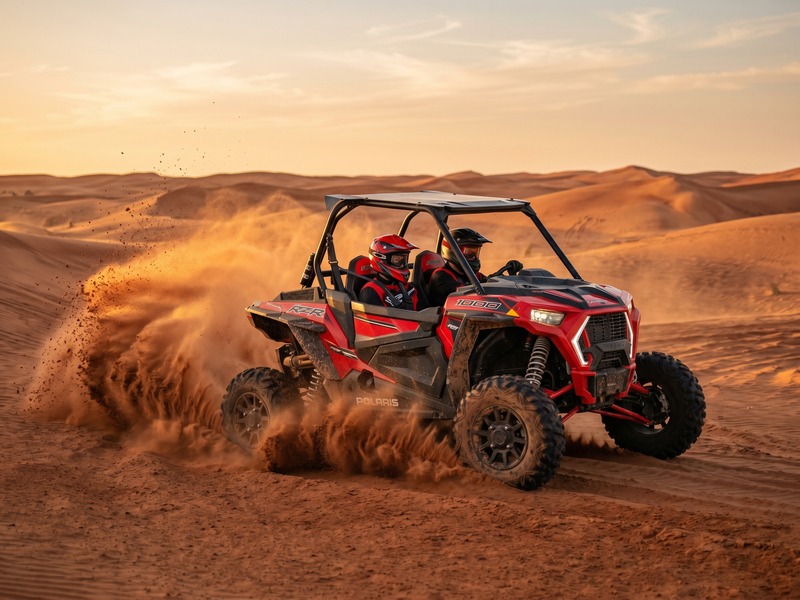
Some trips are family-friendly, with a relaxed pace and lots of photo stops. Others are aimed at thrill-seekers who want to race across the dunes. Make sure the vibe matches your expectations. If you are bringing children, check the minimum age and height requirements. Not all operators allow young riders, and those that do may have different rules about passengers.
Dune Buggy Adventure offers a clear example of what a well-organised trip looks like, with vehicles that are kept in good shape and guides who know the desert well. When you compare options, look for the same level of care. A little time spent verifying these points means you can enjoy the ride without worrying about the details.
Once you have checked all these factors, you can book with confidence. The desert is a spectacular place to explore, and a dune buggy is one of the best ways to experience it. Just make sure the operator you choose has the equipment, the safety measures, and the experience to give you a great day out. Dune Buggy Adventure shows that when everything is in order, the ride is smooth and the memories last.
Ends · MYBUGGYDUBAISPOT